Cancer Explained: What Everyone Should Know
Dr Onur Yilmazer
March 9, 2026
Cancer Awareness and the Importance of Regular Screening
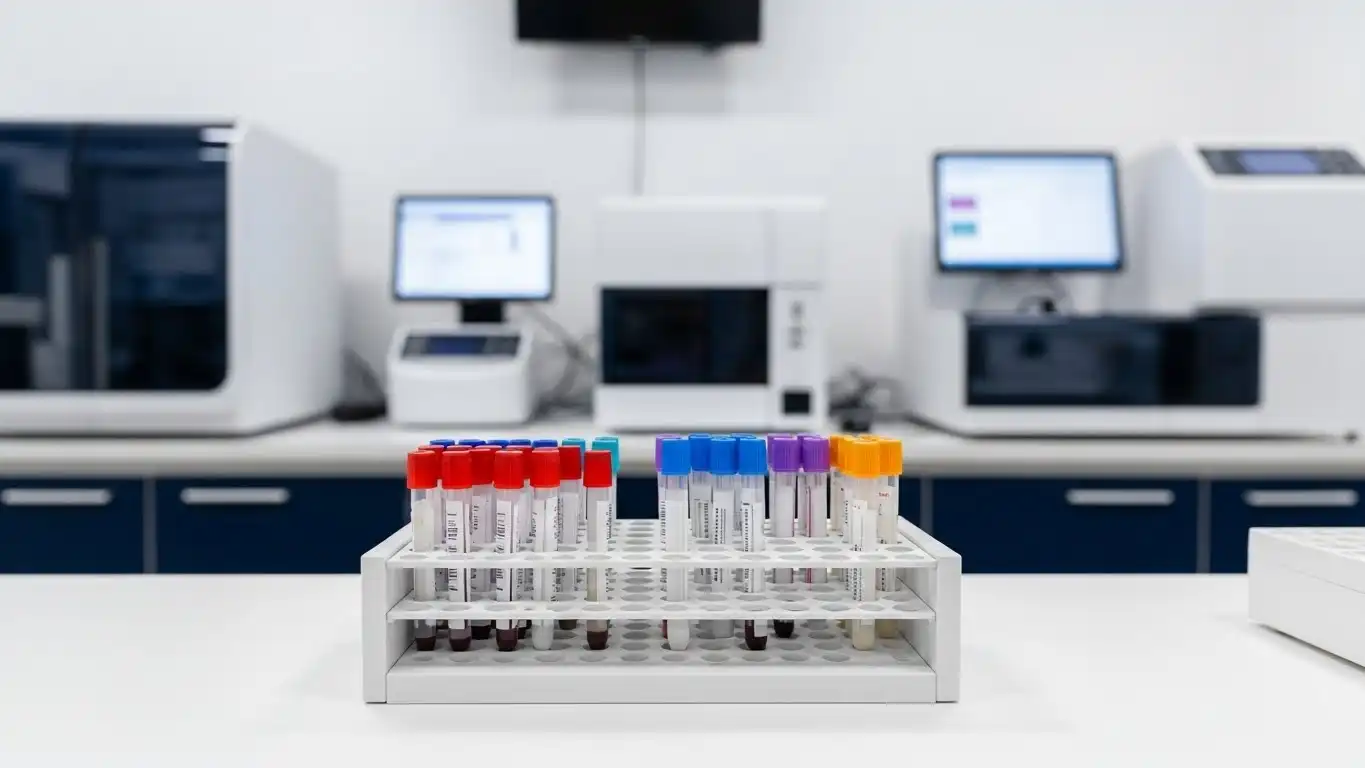
Cancer awareness and regular screening are essential components of preventive healthcare and can significantly improve survival rates and quality of life. Many cancers develop slowly and without clear symptoms, which means a person may feel completely healthy while abnormal changes are already occurring in the body.
Screening tests are designed to detect cancer at an early stage — and sometimes even identify pre-cancerous conditions — allowing timely treatment before the disease progresses. Early detection often leads to less invasive therapies, lower medical costs, and better long-term outcomes.
A quick screening today could save your life tomorrow
why early cancer screening matters
Many cancers grow quietly in the early stages and may not produce noticeable symptoms. This makes screening an important tool in identifying potential problems before they become serious.
Screening can help detect cancer early, when treatment is often more effective and less complex. In some cases, screening tests can even identify pre-cancerous changes that can be treated before cancer develops.
Age-Based Cancer Screening Guidelines
Screening recommendations vary depending on age, gender, family history, lifestyle, and personal medical background. However, general age guidelines are commonly used as a starting point.
Breast Cancer Screening
Breast cancer screening with mammography is often recommended for women beginning around age 40–50, with repeat testing every 1–2 years, depending on individual risk factors and national medical guidelines.
Cervical Cancer Screening
Cervical cancer screening usually begins at age 21 with Pap smear tests every 3 years. From age 30 onward, combined Pap smear and HPV testing may be recommended at longer intervals if results remain normal.
Colorectal Cancer Screening
Colorectal cancer screening is generally recommended for adults starting at age 45–50. Screening options include:
- Annual stool-based tests
- Colonoscopy every 10 years
A colonoscopy has the added benefit of detecting and removing precancerous polyps during the same procedure.
Cancer Screening Recommendations for Men
For men, prostate cancer screening discussions often begin around age 50, or earlier (around 45) for individuals with higher risk, such as those with a strong family history of the disease.
Skin Cancer Screening
Skin cancer checks can be performed at any adult age, especially for individuals with:
- Fair skin
- High sun exposure
- Changing or unusual moles
Lung Cancer Screening
Lung cancer screening using low-dose CT scans is typically recommended for adults aged 50–80 who have a significant smoking history or who currently smoke. These age ranges provide general guidance and may vary slightly depending on national healthcare recommendations.
Understanding the Limits of Screening Tests
It is important to understand that screening tests are not diagnostic on their own. Instead, they help determine whether further medical evaluation is needed. Because every individual’s risk profile is unique, final decisions about screening timing and frequency should always be made in consultation with a qualified healthcare professional.
Over-screening may lead to unnecessary anxiety or procedures, while under-screening could delay early detection. A balanced and personalized approach is therefore essential.
Lifestyle Choices That Help Prevent Cancer
In addition to medical screening, lifestyle choices play a major role in reducing cancer risk. Healthy habits can significantly contribute to long-term well-being. Important preventive steps include:
- Maintaining a nutritious, balanced diet
- Engaging in regular physical activity
- Avoiding tobacco
- Limiting alcohol consumption
- Protecting skin from excessive sun exposure
- Managing stress effectively
- Maintaining a healthy body weight
Being aware of warning signs such as unexplained weight loss, unusual bleeding, persistent fatigue, or new lumps and seeking medical advice promptly can also make a significant difference.
Why Choose Diamed for Your Cancer Screening
At Diamed, we are committed to making cancer screening reliable, accessible, and patient-focused. Using modern diagnostic technology and experienced healthcare professionals, we provide accurate screening services that support early detection and better health outcomes. Our team prioritizes patient comfort, clear communication, and efficient appointments, ensuring a smooth and supportive experience. By encouraging regular screenings and preventive care, Diamed helps individuals take proactive steps toward protecting their long-term health.
Book with us now, early detection starts here
Whether you’re looking to protect yourself, your family, or your colleagues, our private health screening service offers the convenience and speed you need.
Contact Us
- 📍 Address: 83A High St, Waltham Cross EN8 7AF
- 📞 Phone: 020 3807 5555
- 💬 WhatsApp: Available for quick enquiries
How to Book
- Call us or send a WhatsApp message
- Choose a convenient appointment time
- Visit our clinic
- Leave protected
Diamed London Clinic – Where Care Meets Comfort. Protecting Waltham Cross this winter.
Tags
Ready to Book Your Appointment?
Contact Diamed London Clinic today for a consultation with our expert team.